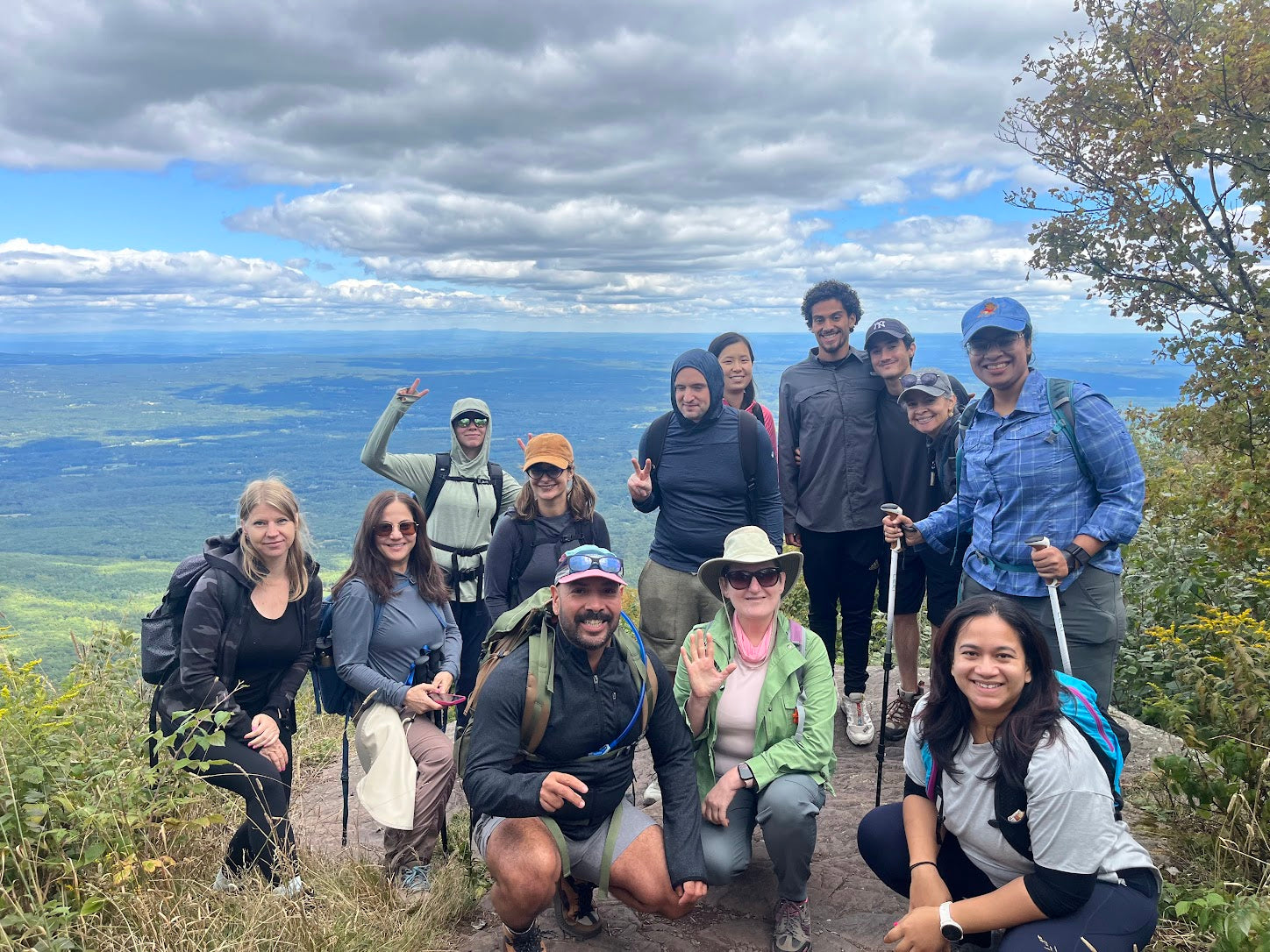
Wilderness Foraging for Beginners: Safe Wild Food Identification & Outdoor Survival Skills Guide
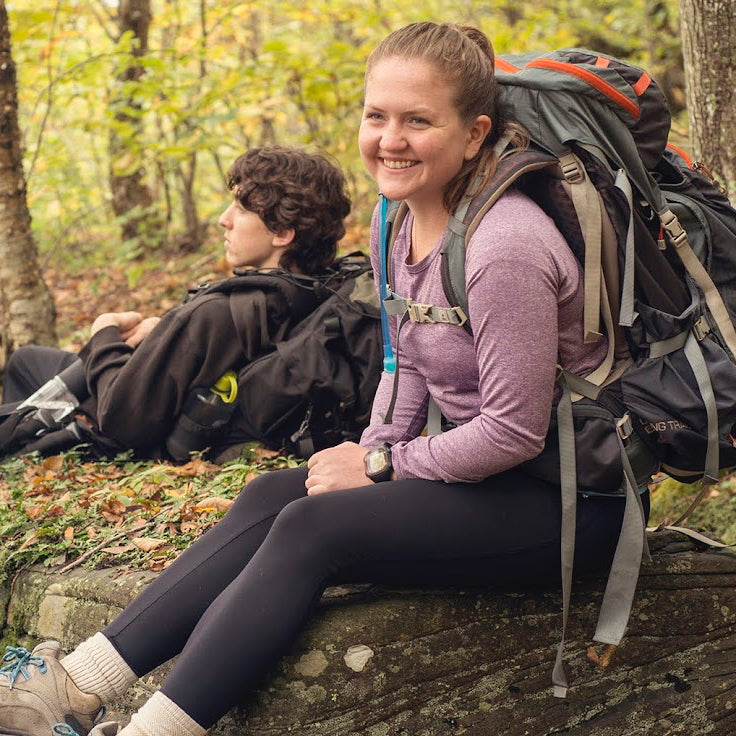
Stepping away from processed food chains and learning to identify resources provided directly by nature is a foundational milestone in any outdoor journey. True wilderness foraging self-reliance isn't built on gear alone; it relies heavily on practical knowledge, immersive experience, and ecological understanding. For individuals looking to elevate their backcountry confidence, learning how to safely source wild plants and develop robust survival skills offers an unparalleled connection to the land.
By stepping beyond theoretical knowledge and engaging in hands-on experiential education, you transform an ordinary hike into an active classroom. This comprehensive guide covers structural foraging protocols, safe plant identification for beginners, and essential backcountry skills designed to improve self-sufficiency.
The Value of Experiential Education and Wilderness Training
True self-reliance cannot be fully understood from a video or a textbook. The most reliable way to cultivate wilderness readiness is through structural outdoor education activities that put theoretical principles into real-world practice. This hands-on pedagogical model—often termed 'expeditionary learning - emphasizes problem-solving, real-time assessment, and learning from the physical feedback of your environment.
When you participate in formal wilderness education training, you train your mind to notice critical subtle details: the unique serration on a leaf margin, the specific moisture levels of soil, and the geographical indicators of clean water sources. These immersive, field-based experiences bridge the gap between basic trail safety and advanced, long-term survival capabilities.

Foundational Rules for Safe Foraging
The number-one rule of wild foraging is non-negotiable: Never consume any wild plant, berry, or mushroom unless you are 100% certain of its positive identification. Many edible species have toxic look-alikes that can cause severe illness or worse.
To maintain safety in the field, expert guides implement a strict verification protocol:
- The 100% Certainty Rule: Identify the plant using at least three distinct botanical characteristics (such as leaf arrangement, stem structure, and flower/fruit indicators). Do not rely on color alone.
- Locational Safety: Avoid foraging near busy roadsides, industrial zones, agricultural areas prone to chemical spraying, or stagnant water sources where pollutants collect.
- Harvest Sustainably: Never take the first patch you see, and never harvest more than 10% of a healthy population. Ensure the plant colony can easily regenerate.
- Use Field References: Always carry high-quality regional guidebooks or join expert-led field excursions to confirm your findings.
4 Common Wild Edibles for Beginners in North America
For those taking their first steps into wild food identification, it is wisest to start with abundant, easily recognizable plants that carry a lower risk of look-alike confusion.
1. Dandelion (Taraxacum officinale)
- Identification: Rosette arrangement of deeply toothed leaves, hollow milky stems, and bright yellow flower heads.
- Edible Parts: The entire plant is edible. Roots can be roasted for a coffee alternative, leaves can be eaten raw or blanched, and flowers are rich in vitamins.
2. Stinging Nettle (Urtica dioica)
- Identification: Features opposing, serrated leaves on a distinct square stem covered in fine, stinging hairs.
- Edible Parts: The leaves are highly nutritious, tasting similar to spinach. Important: Never consume raw. Boiling or thoroughly drying the leaves instantly neutralizes the stinging hairs, making them safe to eat.
3. Broadleaf Plantain (Plantago major)
- Identification: Broad, oval leaves with distinct, thick parallel veins running vertically up from the base. It commonly grows in disturbed soils and along trail borders.
- Edible Parts: Young, tender leaves can be eaten raw or steamed. Older leaves can be tough but are highly valued for soothing topical poultices.
4. Pine Trees (Family Pinaceae)
- Identification: Evergreen trees with clustered needles rather than flat scale-like leaves (avoid the toxic Yew tree).
- Edible Parts: Pine needles can be steeped in hot water to create a tea rich in Vitamin C. The inner bark (cambium layer) of certain pines can also serve as an emergency calorie source when properly prepared.

Essential Survival Skills to Pair with Foraging
Sourcing wild nutrients is only one pillar of backcountry self-sufficiency. True emergency preparedness requires combining foraging knowledge with foundational survival mechanics.
Prioritizing Your Needs: The Rule of Threes
When an unexpected scenario occurs in the backcountry, prioritize your decisions using this classic survival metric:
- 3 Minutes without breathable air or in icy water.
- 3 Hours without adequate exposure protection in harsh environments (Shelter).
- 3 Days without safe drinking water (Hydration).
- 3 Weeks without caloric intake (Energy).
Water Procurement and Purification
Finding food is secondary to securing clean water. Clear wilderness streams can still carry dangerous microscopic pathogens like Giardia or Cryptosporidium. Always boil your water for at least one full minute, or utilize a verified physical filter or chemical treatment before drinking.
Emergency Fire Building
Fire provides necessary warmth, cooks wild foods, sterilizes drinking water, and offers a strong psychological boost. Always pack multiple ignition sources (such as waterproof matches, a ferrocerium rod, and tinder quick tabs) inside your pack. Practice building stable tinder nests and structural kindling layups in various weather conditions before heading out.
Move From Theory to Practice
Reading guides is an excellent foundation, but nothing replaces hands-on training under expert supervision. If you are ready to build real practical capability, check out our structured courses and guided experiences:
- Explore Our Offerings: Browse through our Guided Outdoor Adventures Collection to find fully immersive day trips and multi-day wilderness courses.
- Get Hands-On Training: Secure your spot on our upcoming Wilderness Education Foraging Hike, where expert wilderness instructors guide you through real-world plant identification and trail safety protocols.
- Plan Your Journey: Discover our full range of custom backcountry itineraries, safety clinics, and educational resources directly on the Destination Backcountry Adventures Home Page.
- Deepen Your Knowledge: Visit our dedicated Destination Backcountry Adventures Explore Page to access more deep-dive survival articles, gear breakdowns, and regional wilderness guides.
Frequently Asked Questions (FAQs)
What is the difference between experiential education and traditional classroom learning?
Traditional learning relies heavily on listening to lectures and reviewing texts. Experiential education focuses on learning through direct experience and critical reflection. In a wilderness setting, this means practicing navigation, building emergency shelters, and identifying plant life in real-time, which helps build true muscle memory and adaptive problem-solving skills.
Can I learn wild foraging entirely from a mobile app?
While digital field apps are convenient supplementary tools, they should never be your sole verification method. Cameras can misinterpret subtle botanical textures, and variations in plant maturity can confuse digital algorithms. Relying on verified regional guidebooks and learning from experienced human mentors is far more secure.
What should I do if I accidentally consume an unidentified wild plant?
If you suspect you have ingested a toxic plant or look-alike, do not wait for symptoms to manifest. Immediately document the plant with clear photos of its leaves, stem, and root base, note your exact geographic location, and contact emergency medical services or Poison Control right away.
Are there any toxic look-alikes I should be aware of as a beginner?
Yes. For instance, Wild Carrot (Queen Anne's Lace) has an extremely toxic look-alike called Poison Hemlock, which can be fatal if ingested. This is precisely why beginners should focus on distinct plants like dandelions and plantains before attempting to forage wild umbellifers or complex mushroom species.
Destination Backcountry Adventures
- Address: 557 6th Avenue, Suite 3R, Brooklyn, NY 11215
- Phone: 718.208.9878
- Email: info@destinationbackcountryadventures.com
- Website: https://destinationbackcountryadventures.com/
- Additional Location: 63 Little Bear Lane, Round Top, NY 12473
Conclusion
Developing your skills in wild food identification, tracking, and wilderness survival deepens your connection to the outdoors and builds resilient self-reliance. By approaching nature with humility, relying on structured education, and prioritizing conservative safety choices, you will unlock a completely new dimension of outdoor exploration.
Pack your field guides, respect the ecosystem, and we will see you out on the trail.